Showing posts with label architecture. Show all posts

31 January 2015

Two days of Italian History - Pompeii & Mount Vesuvius

A trip to Italy would not be complete without visiting the famous sites of Pompeii and Mount Vesuvius, situated close to Naples. I originally intended to see both in a day but slightly underestimated the ease of traveling around via Italian public transport.

Pompeii was first on the agenda for us. Many tourists coming from Rome are likely to find the sights of Pompeii familiar if they have recently visited the Rome Forum, the Colosseum or Palantine Hill in the Italian capital, as it's a similar hodge podge of ruins, old buildings, statues, housing structures and temples. Pompeii is perhaps most famous as the ancient city destroyed by a volcanic eruption of the neighbouring Mount Vesuvius, so it was a chance to get up close and personal with some history.


The Pompeii ruins


The remains of an old temple in Pompeii


An ancient stadium in Pompeii


After taking in the sights of Pompeii, it was time to complete our historical fill by visiting the infamous Mount Vesuvius. It took approximately 2-3 hours each way to reach Vesuvius from Rome, but well worth it for the gorgeous views, the smoky scenes at the crater top, an always-welcome scenic bus ride, and some much needed exercise.


The steep walk uphill the crater


The view of Naples from the crater


Some smoky scenes getting closer to the crater!


The city of Naples seen through smoke (quite hazy on the crater)


In contrast, it's quite clear looking towards the sky...


A view inside one of the craters of Vesuvius


A smoky descent downhill...


For many people (including myself), this was the first time they had encountered a dormant volcano. My friend was slightly surprised not to see anything resembling lava or ash, but when you factor in the fact that Vesuvius has been dormant for quite some time, it's not that surprising. It really just looks like a rocky mountain from afar, but I'm sure the legions of tourists flocking to it each year won't complain if it stays that way!

Some tips for your trip to Pompeii & Vesuvius:

- Go early, plan in advance: Pompeii and Vesuvius can be done in one day, but only if you know your schedule. Depending on if you want to do them as a day trip from Rome or prefer a more relaxed itinerary, you may wish to spend a night or two in Naples instead. I followed this schedule from a post I found on TripAdvisor.

- Decide which site you will visit first: We visited Pompeii first and then Vesuvius the next day. I would actually recommend doing them the other way around as Vesuvius is a bus ride away from a train station further down the line than the one close to Pompeii. In essence, if you're intent on staying in Rome, you'd be visiting Vesuvius during the morning, have a quick lunch, do Pompeii in the afternoon and then be back to Rome at night. 

- Choose the Pompeii/Vesuvius experience you want (or that you're willing to pay for): Your trip to Pompeii can be enhanced by purchasing an audio guide at the ticket desk, or by getting a tour from an authorised tour guide. Be sure to choose only a badged official that states which company they are from and be wary of scammers. When it comes to Vesuvius, you need to decide whether you want a brief 1.5 hour venture on the crater (the bus companies shuttle people on and off the crater as fast as possible for obvious reasons) or the full day hiking experience climbing all over the crater top. Again, that is a personal decision, so consider your finances, schedule and physical fitness to choose what's right for you. You might also want to look at Rick Steves' popular audio walking tours for detailed mp3 podcasts covering many European destinations. Best of all, they're completely free!

For the history buffs, there are also the nearby Herculaneum Ruins that can be seen. I didn't have enough time to see it on my trip, but some say they're even better than Pompeii.

Pompeii: Slightly disappointing given how famous it is. Perhaps a guided tour would have made things better. 3/5
Vesuvius: Stunning views and a once-in-a-lifetime trip to a real-life volcano make this a must-see. 4/5

What was your experience like in Pompeii/Vesuvius? 

6 January 2015

Traveler tips and truths: Paris

Continuing on from my prior traveler tips and truths post on Helsinki, this is a mixture of insights and advice that came to me after staying for 6 days in Paris. There are quite a few things here (I'm a bit of a pedantic for detail), of which some I hope are useful. Enjoy!


Traveler truths:
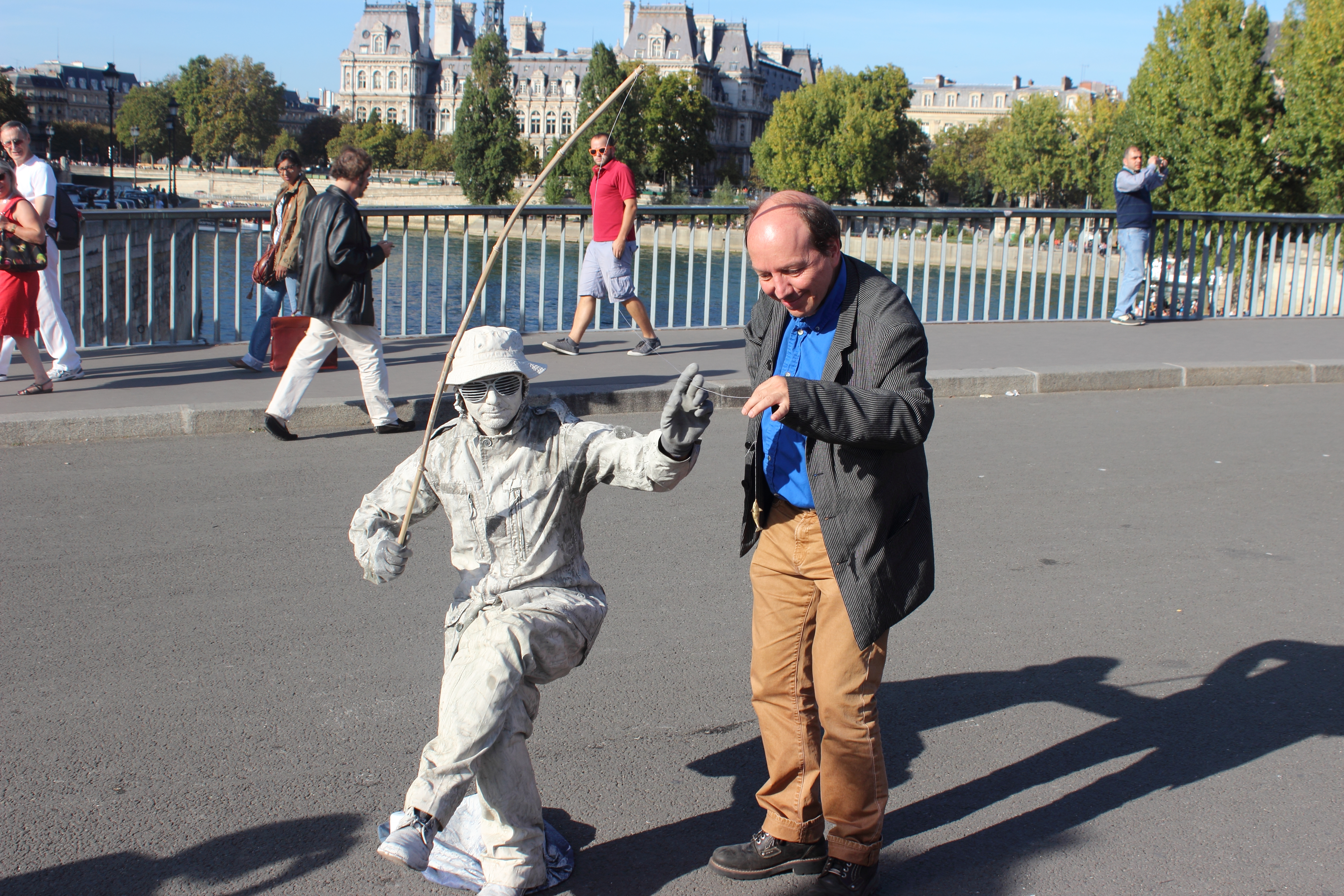
  • Paris is for people watching: As discussed in the list of ‘must-dos’, Paris may very well give you a great new hobby.
DPP_0375
An interesting tourist 'attraction' at the Ile-St-Louis
  • People are very stylish: Paris is well-known for its cutting edge fashion so the bar is set high on the street. The standard of dress is higher and more adventurous compared to the dominant laidback Australian attire, with a preference towards more formal or elegant types of clothing. This isn’t just limited to the young people – I saw some seriously cool-looking grandpas and dads walking around which made me feel inadequate and scruffy by comparison! I dress mainly for comfort while traveling so I don’t tend to bring any great threads (not that I have many at all), which did make me feel slightly out of place amongst such well-groomed and well-dressed folk.

  • Parisians generally don’t wear shorts, even in warm weather: I was a little shocked to see, despite it being 20-25C for the majority of my stay in Paris, that people generally didn’t wear anything other than jeans, chinos or dress/suit pants. Upon asking a Parisian about it, I was told that shorts are generally regarded as an impolite form of dress that is not suitable for work or a meeting, and is generally only worn on vacation or by tourists. I was even told that it is almost taboo to show your legs, which I definitely found strange. It did make me self-conscious enough to wear jeans on a few occasions where I would have opted normally for shorts, but I quickly switched back after sweating it out unnecessarily. Fashion over comfort for the Parisians it seems!

  • Parisians can be as rude as you’ve heard: On many occasions, I was surprised by how rude people, even those paid to provide customer service, were to me. The metro and tourist attractions proved to be a hotspot for the short-fused, annoyed and exasperated worker, which encourage me to limit my interaction with them to a bare minimum as a defence mechanism. There were many kind people in the museums and other places I visited though so it's a bit of a mixed bag, but be prepared for some snark with your service.

  • Baguettes are the coffees of Paris: Seriously, people eat baguettes for breakfast, lunch and as a snack too. They are obsessed with bread, putting things in bread, eating things with bread – you get the picture. Bakeries are on every corner, fueling this never-ending lifestyle.

  • The French are a romantic people – I have never ever seen so much public affection before. People of both genders kissing each other on the cheek in greeting, couples canoodling and kissing in parks and on the street – Parisians are openly emotional and outspoken with their feelings. It can be off putting at first, but you learn to just embrace it and look away in time.

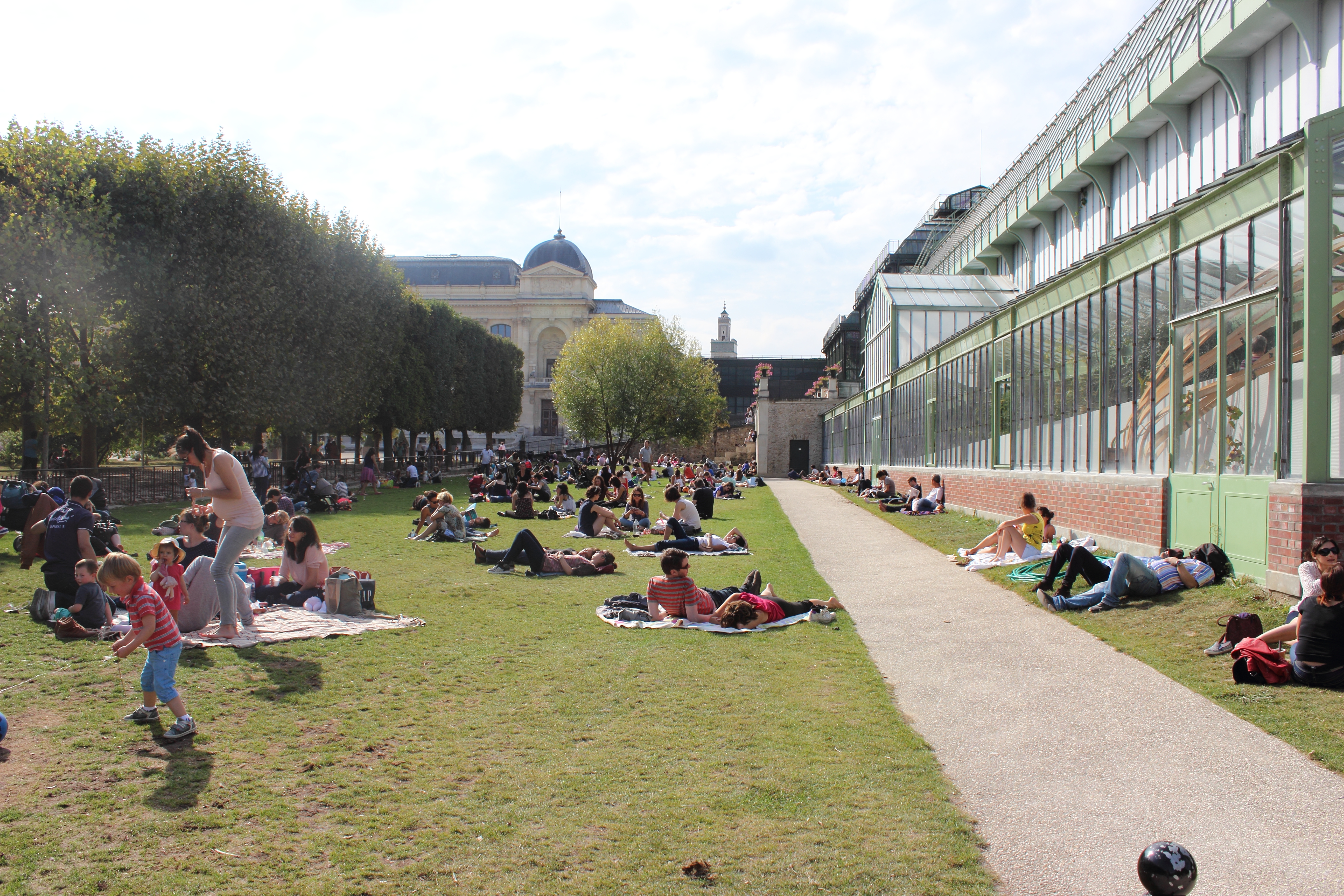
  • Parisians like their wide open spaces – It is a favourite past time of the French to lay in parks for hours over a picnic lunch. More food, more people-watching. You get the picture.

    Parisians enjoying the Jardin des Plantes (Botanical Gardens)
    Parisians enjoying the Jardin des Plantes (Botanical Gardens)

  • Paris is undeniably rich with culture and history – Another no brainer. The sheer volume of churches, monuments, museums and sculptures on display is a testament to the rich history of Paris. You even feel it walking down the street – the cobblestones and the street signs lend the city an old-fashioned, nostalgic and very romantic feeling.

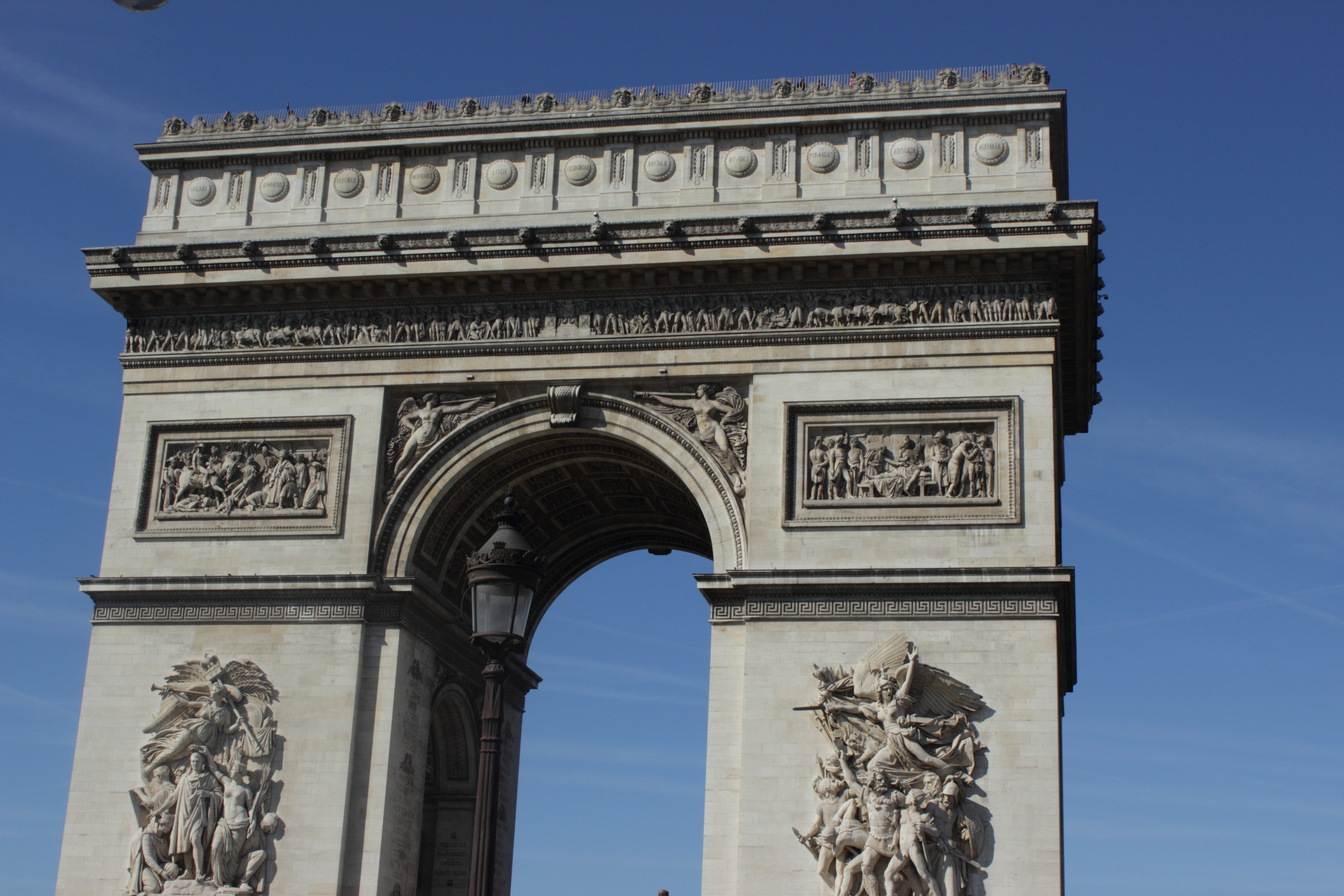
    Arc de Triumph at the top of the Champs De'Lysees
    Arc de Triumph at the top of the Champs De'Lysees

  • Aside from people-watching, smoking is another favoured hobby: This is quite a sad inclusion on the list but it is so evident it is impossible to disregard it. Smoke is everywhere in Paris because so many people smoke. It is so easy to passive smoke in Paris every time you walk down the street, pass a bistro or walk through a park with what felt like 1 in 3 people – of all ages – smoking. It seems to be a cool thing to do in Parisian society, and what’s sadder, is that I even saw cyclists and people who were ostensibly healthy, lighting up with gusto. Smoking always makes me feel sick, and after visiting Paris, that feeling hasn’t changed.

  • Paris is expensive – You can’t be surprised by this. For me, coming from Australia, mostly everything is more expensive in Paris. Only a few things, like food from vending machines and baguettes (probably due to oversupply) are roughly in proportion with their Australian counterparts. There are cheaper places you can find to eat, but you get what you pay for. I did resort to doing some grocery shopping on my first day to soften the blow, which turned out to be a great way to save money as I managed to avoid paying for food except for 1 day of deliberate French sampling.
Traveler tips
  • Buy metro pass in advance – The metro is so good in Paris it’s ridiculous not to use it. With the Paris Visite metro pass, you can get 1,3 or 5 day unlimited travel on the Paris metro, bus and RER in selected zones (chosen at purchase) so you can have peace of mind. This is literally the first thing you should get in Paris if you are going to be going around the city a lot and it is great value if you take into account the price of individual tickets. There is the weekly pass (valid from Monday to Sunday, sold on the Thursday for the following week) and the Paris Navigo pass (needs a photo taken and is generally for Paris residents) available but they both have their drawbacks and aren’t always suitable for tourists.

  • Try to use service stations instead of ticket machines if you’re unsure – The ticket machines are actually very good and do have English options but if you are uncertain of anything or want to avoid being harassed by the occasional scam artist or shady character, ask for your tickets directly at the train station. Just be prepared for some staff to either not know English, be rude to you, or both.

  • Avoid beggars, gypsies, scammers, and con artists: Like any big city, Paris has its share of less-than-desirable characters. There are beggars (often Romanian) in the street next to ATMs, in train stations, performance artists on the trains playing for money (and some are actually not bad and deserve the coin they get), gypsies around the Eiffel Tower asking you if you speak English who try to get you to do a survey; people selling rip-off goods at big tourist locations; and others trying to sell souvenirs and water to tourists.

  • Take care of your belongings to protect against pickpockets – The metro, with its mass of people and limited space to move, is an ideal place for you to be robbed of your valuables at an unsuspecting moment. Take care of your belongings and make sure you don’t leave yourself vulnerable to being pick pocketed. I used a money bag around my waist under my clothes to be extra careful of my things, keeping my passport, wallet and room key inside. What do you know? I didn’t lose a thing. To put this into context, on the day I arrived, a friend’s friend had their passport stolen along with their money bag at a major train station. The passport was thrown into the trash, and the money bag emptied of all cash. I was also hassled at the train station by some shady characters right after I’d touched down in Paris.

  • Try to take the metro in off-peak times: 9-10am and 5-7pm are typically the busiest hours for the metro so if you can, try to avoid taking it at these times to save yourself unwanted touching, sweat and jostling. It gets quite warm in the metro with everyone sucking up the oxygen so try to stay cool and calm and you should be fine.

  • Get lost sometimes – Sometimes getting lost is the only way you can learn how to get around. There is a perverse satisfaction from getting lost and then having that ‘Eureka!’ moment when everything all clicks into place. The metro is well connected so you can always take the metro from wherever you do end up if you find yourself really lost.

  • Take your time with the metro – if you miss your train, there is another one usually within 2-5 minutes so unless you’re in an absolute hurry, there’s no need to dash unless you like running! I admit I did run around a little but only because I was trying to fit everything in and wasted time getting lost more than a few times.

  • Learn some basic French – French people, while sophisticated, do not always speak the best English and some, even at service outlets, speak no English at all! So do yourself a favour and bust out your phrasebooks to develop some basic competency. You will find your experience everywhere – in restaurants, in the metro, in shops – easier and all the more pleasant for it.

  • 18e/month unlimited movie subscription – Parisians love their cinema, and really respect the work of the director. After all, they did first conceive of the auteur, and play host to the world’s most prestigious film festival in Cannes every year. Small rather than large multiplexes are dotted around the city, playing independent, foreign language and auteur cinema to the masses. I nearly fell in love with Paris right then and there. It is a great place to catch up on the latest gem by your favourite unknown director. I found out too late that there is an 18 euro per month subscription that gives you the privilege of unlimited movies! Considering a single movie costs around 7 or 8 euros, this is great value.

  • Check out some free music concerts – Paris is a great place to get in touch with your musical self and with the many churches, cultural venues and parks on offer, there is almost a chance to hear some great music everywhere you go. The metro is also occasionally accompanied by budding artists trying to eke out a living impressing the daily commuters. Check out this website for a listing.

  • Ask for help if you need it, even if you feel uncomfortable (Or Learn How to Read Your Train Tickets) – Being in Paris made me uncomfortable asking for help as I didn’t know much French. Having never taken a high speed train before, I was a little unsure if I was in the right seat however upon finding my seat number on the wall, I was sure I had done the right thing. My complacency ended up costing me as I mistakenly got into the wrong part of the train (correct seat number, but wrong coach number) to Munich, finding myself temporarily stranded in Strasbourg and costing myself two hours. Luckily I was still able to make it to my destination with a simple transfer at no additional fare, but I had to find a Wi-Fi source to alert a friend who would have been waiting at the station for an extra two hours on top of getting the new train. All stress one does not need while traveling. I later found out the coach numbers are indicated on the outside of the train, but it just goes to show you, that it never pays to ask for help if you’re unsure.

  • Choose the ‘formule’ fixed menus for breakfast or lunch to save – In Paris, you can often find a ‘formule’ menu on offer which is a fixed price menu (either entrée + main + dessert, entrée + main or main + dessert) of set items that is often cheaper than ordering a la carte. I ordered one which would normally have costed 20 euros but was only charged 16 euros for it. So do your wallet a favour and go for the set menu, that is, if you don’t mind sacrificing some choice in the process.
Beef gazpachio with pomme frites (french fries), salad and dressing
Lunch formule (set meal of the day): Beef gazpachio with pomme frites (french fries), salad and dressing

Andy’s traveler rating - Paris

People: 3.5/5
Liveability: 4/5
Attractions & Culture: 5/5
Nature: 4.5/5
Cost of living: 3/5
Weather: 5/5
Public transport: 5/5

Overall: 30/35

Pretty as a postcard in Versailles

Undoubtedly, there is plenty to do in Paris, the infamous City of Love. However, one of the best attractions to do in France isn’t in the ‘city’ of Paris at all but in fact in the regional area of Versailles. It was here that was to be my first experience in the land of the red, blue and white.
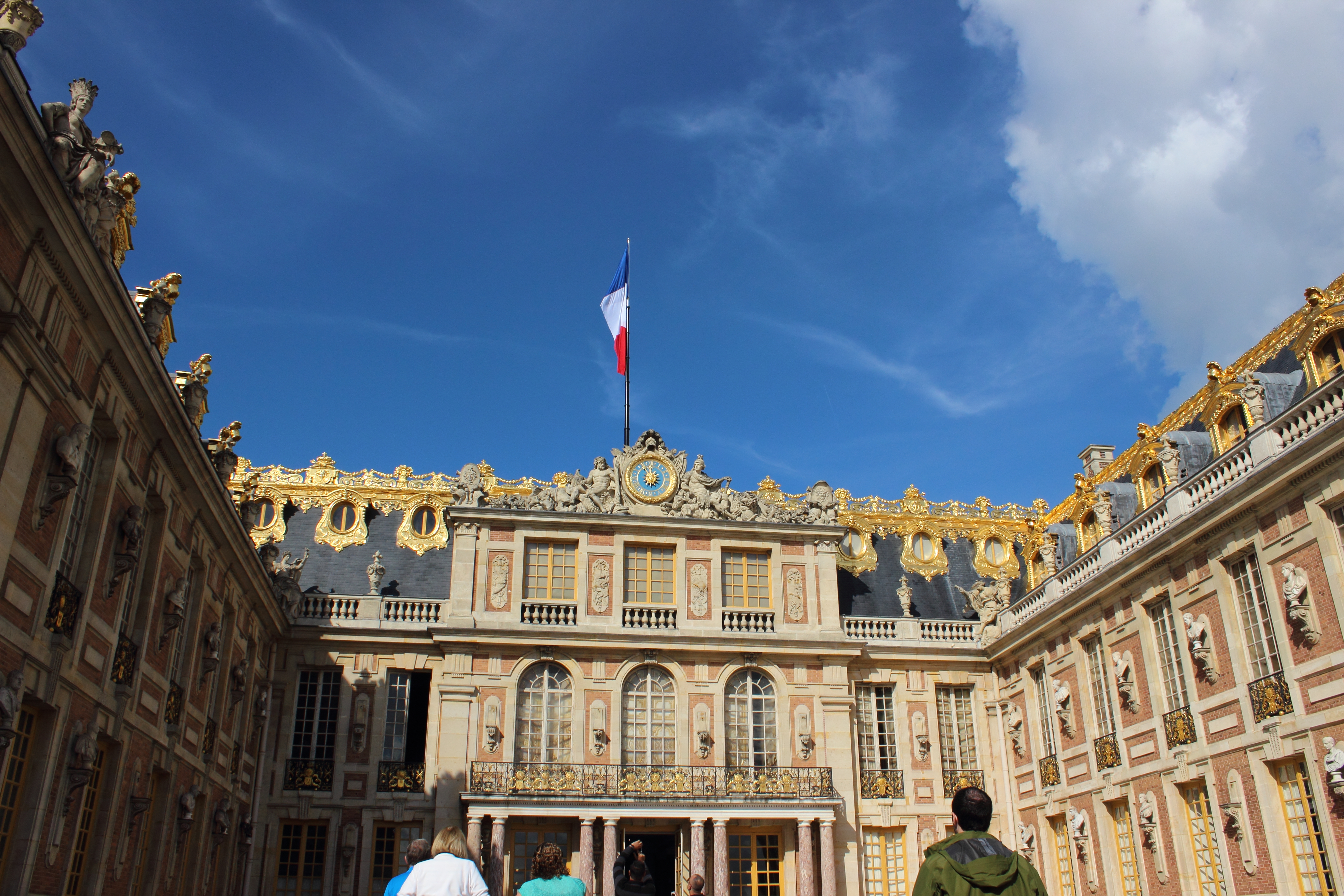
The Palace of Versailles

I joined the queue to get in (having thankfully pre-purchased my ticket online and thus avoiding the additionally long queues to buy tickets) and was inside within 10-15 minutes. There are separate entrance points to the Palace, and the Gardens (from which point Marie-Antoinette’s Chateau and the Grand Trianon can be accessed; the Chateau is a thirty minute walk from the Palace and the Grand Trianon a further walk from the Chateau). I decided on entering the Palace first, which seemed to be the prime attraction from the main entrance.

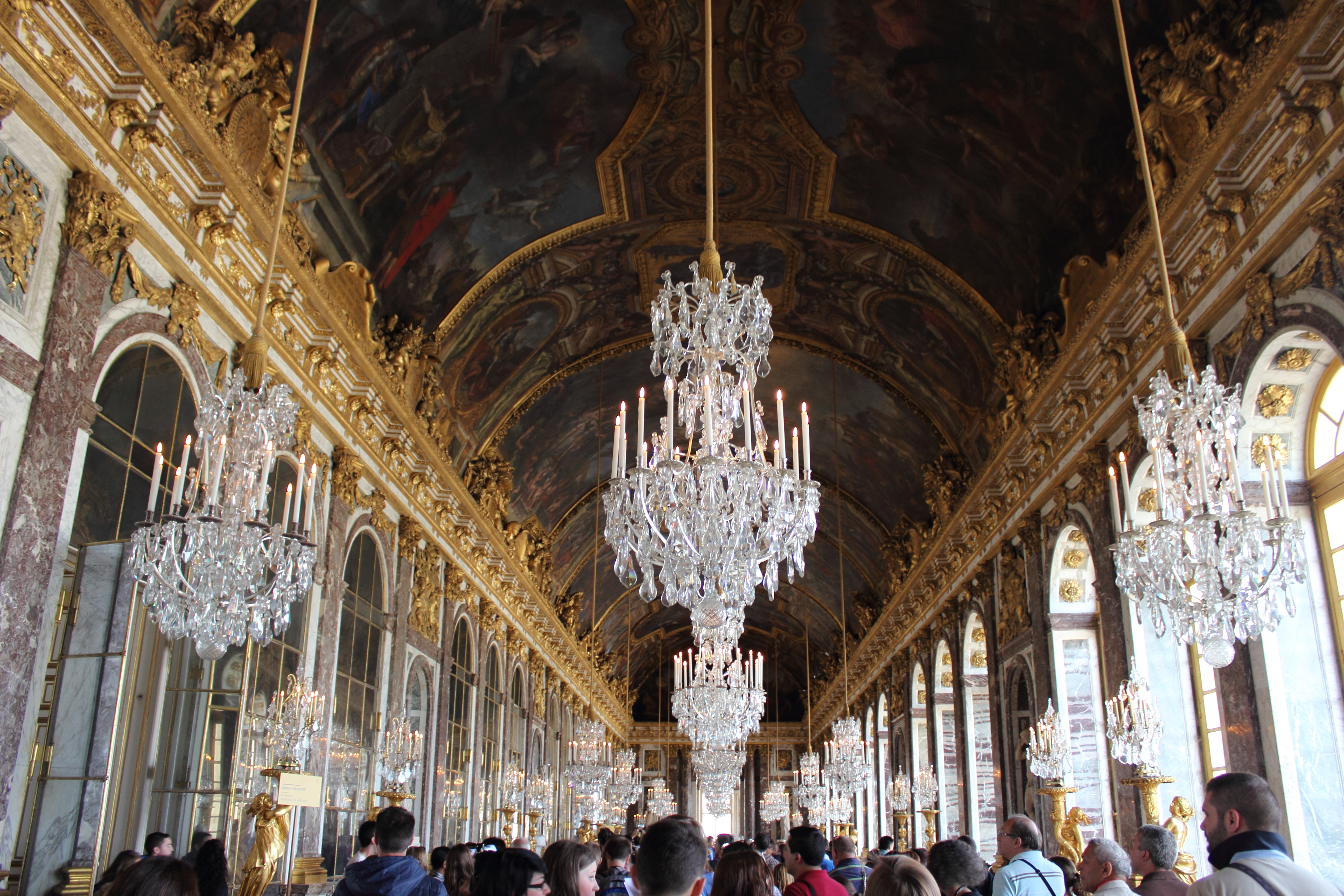
After passing through security and baggage checks, I finally entered the Palace. The Palace is a series of rooms (the Grand Apartments) set up in the style of the olden days of France. It is filled with beautiful furniture, paintings, art, chandeliers and architecture from days gone by. The style is very decadent and it is obvious the occupants of the Palace lived in luxury. The Hall of Mirrors is a highlight of the Palace, with magnificent chandeliers and wallpaper highlighting the Palace's immense beauty. T he only downsides are that the supporting information in the rooms is in French and the available space is generally dominated by tourists, which makes it sometimes cramped and pushy when moving around.

DPP_0031

DPP_0028

DPP_0051

The Hall of Mirrors in the Palace of Versailles

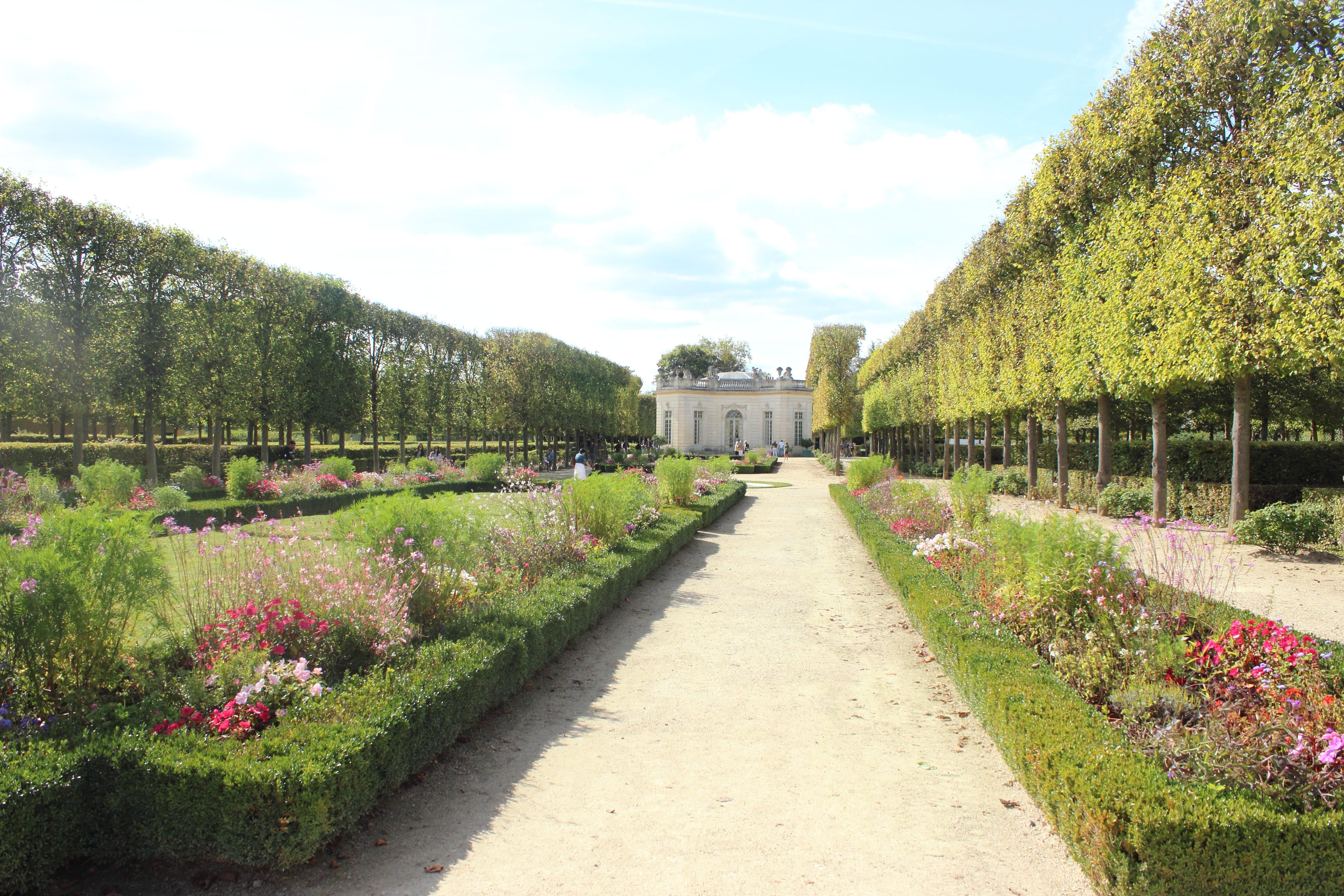
After touring Helsinki, Stockholm and Copenhagen, I thought I had seen it all when it came to gardens and natural scenery. However, the Garden of Versailles has an uncanny ability of dwarfing the gardens in all of these places easily. Seemingly never-ending, the garden stretches for miles and miles and features a brilliant array of flowers, trees and many postcard-perfect photo opportunities.

The garden of Versailles

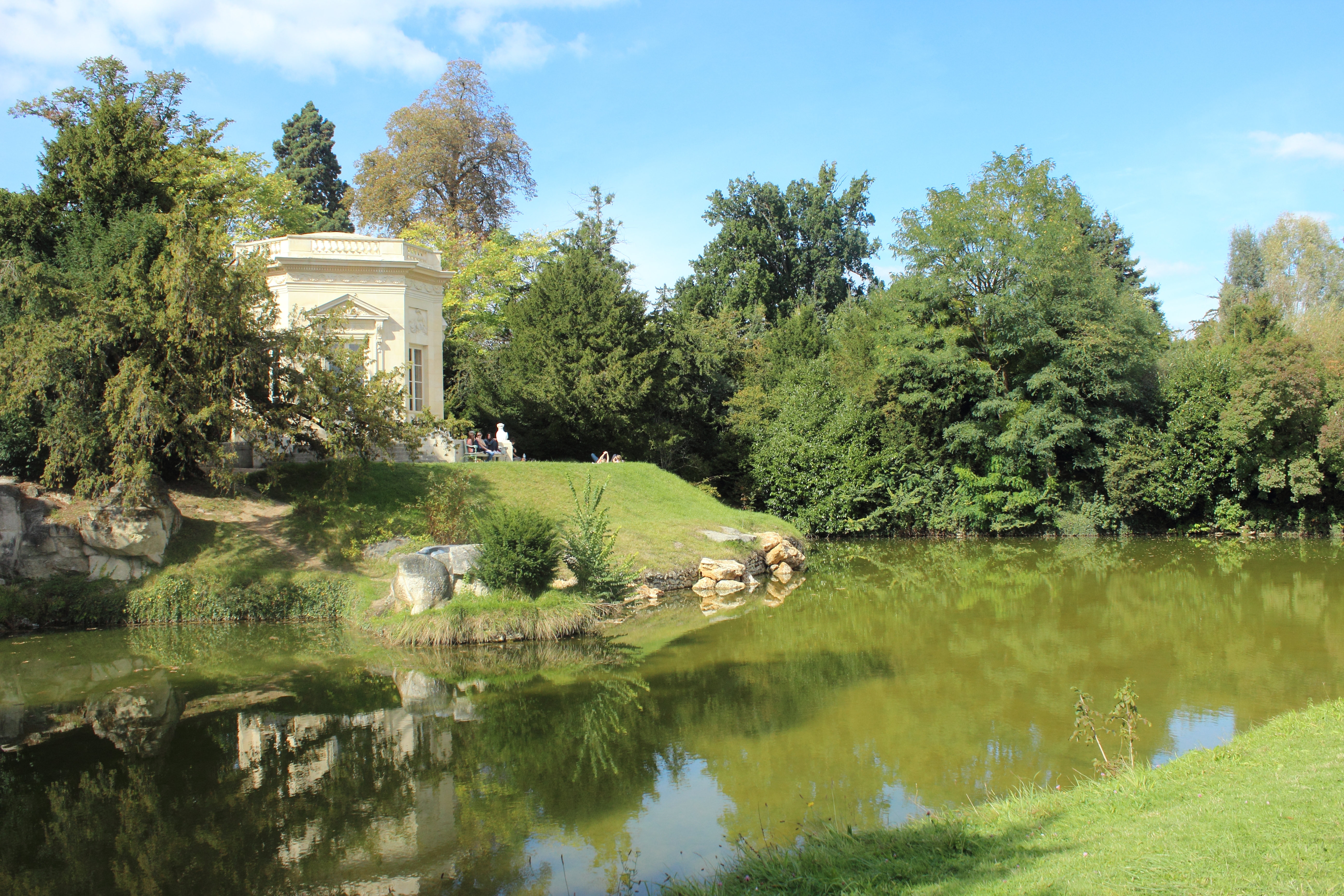
It takes a good few hours to explore the Gardens, Marie-Antoinette’s House, the Grand Trianon, their interiors (featuring further artwork and paintings) and surrounding buildings. It’s not really a naturally preserved feature of wonder like those in Scandinavia (it has been obviously tended to and shaped into a more commercial tourist attraction) but it is hugely impressive nonetheless. In addition, near the end of the gardens on your way out, there is a huge lake that you can use to rent a boat to row across (a favourite for the many couples in the area) or you can simply relax on the many surrounding grassy patches.

DPP_0120DPP_0113

The lake at Versailles - a favourite spot for couples to row across
The lake at Versailles - a favourite spot for couples to row across[/caption]

The Palace of Versailles

Attraction details

Name: Palace of Versailles

Directions: Versailles can be reached by using the regional train network RER. You need to take the RERB to reach Versailles. I got onto the RERB at the Invalides station, and the journey to Versailles took approximately 40 minutes each way. The station you need to get off at is Versailles Rive-Gauche (not Versailles ……) so pay attention to the stations out the window. In any case, Versailles Rive-Gauche is the last stop so you can’t really miss out. From the station, Versailles is a short 10 minute walk from the station in a north-westerly direction. We simply followed the literal hoard of tourists and sure enough, we ended up at Versailles. So you can go with your nose or follow the crowd – up to you.

Admission fee: There are different ticket types available. I purchased the Versailles Passport, which offers entry to the Palace, the Gardens, the Grand Trianon and Marie-Antoinette’s Estate for 18 euros. Entry to only the Palace is 13 euros, however the stunning gardens are free (except on Tuesdays, Saturdays and Sundays from April to October; free admission from November to March) if you don't want to see anything else. Tickets are more expensive on these days (around 25 euros) on Tuesdays and Sundays due to a music concert that is included in the ticket price on these days so go on another day if you want to avoid getting stung. A full listing of the fare types is found here.

Rating: 5/5. Home to the beautiful Palace of Versailles, a tremendous garden, Marie-Antoinette’s Chateau and the Grand Trianon (a building of paintings, sculptures, art and more), Versailles is an essential stop for anyone visiting Paris.

Traveller’s tips:
  • Arrive early to beat the crowds to get in – the Palace and Gardens open at different times, with the former opening at 9am and the latter at 8am. So if you arrive early, you can get a head start on the garden and enter the palace when everyone else is arriving, which is generally lunchtime.
  • Prepurchase your ticket to avoid the line to buy the ticket – This is pretty self-explanatory. The ticket is the same price if you buy online or in person at the ticket office so there's no excuse not to buy in advance.
  • Buy your food outside Versailles: There is of course a café/restaurant in Versailles but it is overpriced and caters to unsuspecting tourists. I went instead to a cheap bakery nearby which sold an Italian style baguette for around 5 euros.

  • Bring some sunscreen for a sunny day: When I went, it was a warm, sunny day of around 23-25C. I forgot my sunscreen so I walked around feeling slightly burnt all day.

  • Allow the most part of a day to do Versailles – We arrived around 12pm due to getting up late and got through everything in around five and a half hours, however if we arrived earlier we probably would have had more time to savour the sights and enjoy the experience more. Inclusive of transport on the RERB each way, you should allow at least 8 hours for the whole trip. Don’t plan to do anything major afterwards as you will be tired and your legs will be sore!
Have you been to Versailles and if so, what was your experience like? Do you have other favourite palaces or gardens in Europe or elsewhere to recommend?

Castle day in Copenhagen

For my second last day in Copenhagen, we ventured out of Copenhagen to visit the Kronborg and Frederiskborg Castles. It was a mostly enjoyable experience and upheld the trend of beautiful Scandinavian architecture and nature that had been a prominent theme throughout Helsinki and Stockholm.

DPP_0111
Kronborg Castle

First up was the Kronborg Castle in the Danish town of Helsingor. Known as the critical setting of Shakespeare's Hamlet, Kronborg is an important Renaissance monument and a UNESCO World Heritage Site. The castle features the royal apartments, a series of rooms describing the history of Copenhagen, detailing its one-time occupation by Sweden and subsequent independence. Paintings, sculptures and artwork relate to notable figures in Danish history. There is a ballroom, a hallway and of course, a room dedicated to the history of Hamlet and its various iterations around the world. Better still, some of the rooms are interactive, with a virtual video providing a nice overview of Danish history for those wanting a cliffnotes history lesson and nothing more.

DPP_0104
The ballroom within Kronborg Castle

There is even an additional section where you can go underground called the Casemates (‘Kasematter’) and wander the actual areas where Danish soldiers remained during long sieges or bombardments in times of war. Despite it being the middle of the day, it was quite dark and at times unnerving to be walking around in this section of the castle. I even had to use a flashlight app on my phone on occasion to avoid being completely blind at times! There was signs warning that the area was very slippery and it is filled with cobblestones, so good footwear is a must.

Other than the castle, there was a small garden area that had some nice views of the castle and a collection of museums and cafes that were unfortunately closed, it being outside of the summer season.

Attraction details

Name: Kronborg Castle

Directions: From the Central Railway Station, buy an all day regional train pass (it was 108 DKK when I bought mine). This provides unlimited travel to regional Denmark and back again so you can have piece of mind and is cheaper than buying two one-way tickets.

Admission fee: 70 DKK for entry. From the Central Railway, the station you need is Helsingor. The castle is in plain view from Holinberg and takes around 10-15 minutes walk to get to. To get into the Royal Apartments, you need to store your bags in the lockers with a 10 Danish Kroner coin (you can borrow a coin from the shop if you don't have one on you).

Traveler’s tip: Bring a flashlight (either physical or an app on your smartphone) to provide lighting in the casemates, and wear suitable footwear for easy movement. If you’re a museum person, be sure to check out the free Maritime Museum next to the library. We stepped in for a quick browse and were immediately given a free tour of the small museum by the friendly staff member. The library next door to the Maritime Museum is another good place to keep in mind as it offers free Wi-Fi.

Rating: 3.5/5 stars

Having completed all there was to do at Kronborg Castle, we decided to deviate from our original plan of returning home by taking a few train stops to Hillerød to Frederiksborg Castle.

Frederiksborg proved to be much better (in my opinion) than Kroborg. Not only was there a beautiful castle to look at (we didn’t go inside as we had paid the 70 DKK for Kronborg and didn’t want to get slugged again by another pricey monument), the castle was adjacent to a magnificent garden space, lake, running track and a park containing many trees which were extremely pleasant and shady to walk through.

In hindsight, we both agreed that it would have been better value to have paid the entry fee for Frederiksborg instead of Kronborg in light of the adjacent garden, trees and impressive natural scenery. Oh well, there’s always next time!

The garden space at Frederiksborg Castle
The beautiful baroque gardens at Frederiksborg Castle

Frederiksborg Castle

Frederiksborg Castle and the surrounding gardens
A front view of Frederiksborg Castle and the surrounding gardens

Name: Frederiksborg Castle

Directions: A few train stops away from Helsingor and the Kronborg Castle, take the local train from Helsingor to Hilerod or get the Line E train from Copenhagen central to Hilerod. The journey from Helsingor takes around 30-40 minutes. There is clear signage near the station directing you to Frederiksborg near the station.

Admission fee: 75 DKK for adults. See the website for more information.

Traveler’s tip: Pack plenty of water and your energy to walk around the castle and the surrounding areas. Leave around half a day to see Frederiksborg Castle.

Rating: 4.5/5 stars

In summary: If you need a break from Copenhagen city and enjoy nature and history, take a visit to (preferably) Frederiksborg or Kronborg Castle.

Do you have a favourite castle in Europe? What are your thoughts on Kronborg/Frederiksborg Castle?